Read God's Word

YouVersion

Saturday, February 22, 2025

Dismantling Justice: The Hidden Agenda Behind Striking Down the Voting Rights Act

The Voting Rights Act was struck down under the argument that it had become obsolete. But never before in human history has a law been eliminated for being too effective. We don’t get rid of drunk driving laws because DUI rates drop to zero, nor do we abolish murder laws when homicide rates decline. The only people who want to eliminate laws against murder are those who intend to commit murder. The only people eager to scrap drunk driving laws are those who plan to drive drunk.

The only people pushing to dismantle anti-discrimination laws are those who still want the freedom to discriminate without consequence. It’s about power—the ability to control outcomes and handpick winners. If too much progress is allowed, that power slips away, and those in charge lose control.

When the Court made its decision, neither Scalia nor his allies explained where the Court got the authority—or the justification—to make such a ruling. But this was exactly what the Federalist Society had been working toward since its inception.

Eιɖεર Dરε

Friday, February 21, 2025

The Malcolm X Revolution Continues

Brothers and sisters, beloved family, listen closely...

On this day, sixty years ago, our shining Black prince, El-Hajj Malik El-Shabazz—known to the world as Malcolm X—was martyred on the battlefield in Harlem’s Audubon Ballroom. They didn't just assassinate a man; they tried to extinguish a movement, a spirit, a revolutionary fire that was too powerful to be contained.

The enemy—yes, the enemy!—feared the truth that Malcolm spoke. A truth so raw, so unfiltered, so unapologetic, that it shook the very foundation of white supremacy. He didn’t come to beg for freedom; he came to demand it. Not tomorrow. Not through legislation. But by any means necessary!

Malcolm was a warrior—a General—for Black liberation. He stood tall, shoulders broad, with the courage to call out not only the open oppressors but also those who betrayed us from within. Oh yes, family!—he was clear about the house Negro and the field Negro. He made us look in the mirror and see our condition, not with comfort but with the urgency of revolution.

They feared his evolution. From Malcolm Little to Detroit Red, to Minister Malcolm X, and finally to El-Hajj Malik El-Shabazz—a man who transcended the narrow confines of any one ideology. They couldn't handle a Black man who could unite us beyond borders, beyond religions, into one global struggle against oppression.

But let me tell you something they didn’t understand—you can kill the revolutionary, but you can’t kill the revolution!

Sixty years later, his words still cut through the lies. His legacy still walks with us, whispers in our ears, and roars in our hearts. We owe him not tears, not empty words, but action. Real action.

So I ask you today, family—are you ready?

Are you ready to stand where Malcolm stood?

To speak truth to power, no matter the cost?

To love your people enough to fight for their liberation?

Because as Brother Malcolm taught us, the future belongs to those who prepare for it today.

Áṣẹ. Long live Malcolm X. Long live the spirit of Black liberation!

Eιɖεર Dરε


Wednesday, February 19, 2025

You Can Kill a Revolutionary, But You Can’t Kill the Revolution: The Enduring Legacy of Fred Hampton

My brothers and sisters, let us not be deceived—Fred Hampton was not just killed; he was assassinated by a government that feared his power to unite the oppressed. At just 21 years old, this young warrior stood at the forefront of a revolution that threatened to shake the very foundations of white supremacy and systemic oppression. He did not wield his power with violence but with unity, with truth, with love for the people. And for that, they silenced him in the dead of night.

Let’s be clear: this was not law enforcement. This was an execution. This was the cold, calculated work of a system that has always sought to destroy Black liberation, to keep us divided, to keep us in chains—whether those chains are physical, economic, or psychological. They feared Fred Hampton because he did what too many leaders before and after him failed to do—he built bridges between the oppressed. He reached out to poor whites, Latinos, Indigenous people, and Black folk alike, forging a Rainbow Coalition that dared to defy the system’s greatest weapon: division.

J. Edgar Hoover and his FBI called the Black Panthers the greatest threat to national security. But what was their crime? Feeding hungry children? Providing free healthcare? Teaching self-defense and self-respect? The real threat was that they were waking us up! They were proving that we do not need to beg for justice—we must demand it, organize for it, and fight for it with unwavering conviction.

But understand this, family: though they killed the man, they could not kill the movement. The same spirit that burned in Fred Hampton must burn within us today! We cannot merely mourn his death; we must continue his work! We must educate our children on the truth, we must build economic and political power, we must reject the lies they tell us to keep us docile.

Fred Hampton’s last words before he was executed were, “You can kill a revolutionary, but you can’t kill the revolution.” And so, I ask you today—will you let the revolution die? Or will you carry it forward, with courage, with wisdom, and with the unshakable belief that power belongs to the people?

Let us rise. Let us move. Let us organize. Because the fight is far from over.

Eιɖεર Dરε

Monday, February 17, 2025

Black Excellence and Resistance

The outrage that erupts when Black people celebrate themselves is not just about the moment—it’s about the history, the power, and the fear that underlies it. For centuries, Black people have been positioned in this society as laborers, entertainers, and commodities—objects to be used but never subjects to be honored. The resistance to our joy, our success, and our cultural affirmation stems from a system that was never designed to see us as anything more than tools for someone else's gain.

Take Kendrick Lamar’s Super Bowl performance. In front of millions, he declared with unwavering confidence, "We gon’ be alright." It wasn’t just a song. It was a declaration of survival, a message to those who have tried to break us, a moment that said we refuse to be erased. And yet, that performance, like so many other expressions of Black pride, was met with backlash. Why? Because it challenged the narrative that America is comfortable with—a narrative where Black people only exist in service of white comfort, either through submission or silence.

The discomfort of those who oppose our celebration is not about patriotism, unity, or respectability—it’s about power. It’s about the fear that when we recognize our own greatness, we no longer need their validation. It’s about the realization that we are not dependent on their approval, that our existence is not defined by their gaze.

So let them be uncomfortable. Let them wrestle with their own insecurities. Our joy is resistance. Our celebration is defiance. Our very being is a testament to resilience. And no matter how they feel about it—we gon’ be alright.

Eιɖεર Dરε


Sunday, February 16, 2025

Love That Endures: The Foundation of Lasting Relationships

True relationships are built on love, patience, accountability, and a shared commitment to growth. While faith can be a guiding force, a lasting bond requires effort, understanding, and a willingness to navigate challenges together.

1. Love is a Choice, Not Just a Feeling

"Above all, love each other deeply, because love covers over a multitude of sins." — 1 Peter 4:8

Real love requires forgiveness and grace. No relationship is perfect, but a willingness to extend mercy and move forward strengthens the foundation.

2. The Power of Shared Vision

"Can two walk together, except they be agreed?" — Amos 3:3

A strong partnership is built on unity. Couples must align on their values and goals to sustain a healthy relationship.

3. Wisdom in Seeking Counsel

"Where there is no guidance, a people falls, but in an abundance of counselors there is safety." — Proverbs 11:14

Surrounding oneself with wise and experienced individuals provides encouragement and accountability in times of uncertainty.

4. The Importance of Character Over Appearance

"Charm is deceptive, and beauty is fleeting; but a woman who fears the Lord is to be praised." — Proverbs 31:30

Attraction may bring two people together, but character and integrity determine the strength of the relationship.

5. Enduring Through Difficult Seasons

"For everything there is a season, and a time for every purpose under heaven." — Ecclesiastes 3:1

Tough times are inevitable, but they are temporary. Commitment means standing firm through life’s ups and downs.

6. A Love That Reflects God's Grace

"Though one may be overpowered, two can defend themselves. A cord of three strands is not quickly broken." — Ecclesiastes 4:12

When God is at the center, relationships gain strength beyond human effort, creating a bond that is unshakable.

A lasting love is not just about finding the right person—it’s about being the right partner, making the right choices, and trusting God to guide the journey.

Eιɖεર Dરε

Sunday, February 09, 2025

The Deal with the Devil: The Forgotten Pact That Shaped Israel

So, let me get this straight—Hitler, the guy synonymous with evil, somehow became an economic supporter of Israel before Israel even existed? That’s like finding out Darth Vader was secretly funding the Rebel Alliance.

This "Transfer Agreement" sounds like one of those historical moments that everybody conveniently forgets at the family reunion. You ever bring up something uncomfortable, and suddenly folks just start stirring their sweet tea real hard? Yeah, that’s what this is.

On one hand, you got Jewish leaders making the toughest decision ever—do we take the deal and help our people escape, or do we stand on principle and risk it all? And on the other hand, you got people today who act like history is this neat little package with good guys and bad guys, but nah—it’s just messy people making messy decisions trying to survive.

Now, imagine trying to tell this story in a history class today. You’d have students looking at you like, “Wait, so the Nazis kinda-sorta helped create Israel?” and the teacher just sweating like Jordan Peele in Get Out.

And that’s the thing—history ain’t a Marvel movie. There’s no clear-cut hero or villain 100% of the time. The past is full of people making deals they thought were necessary, only for the next generation to be like, “Bruh… what??”

But at the end of the day, confronting these uncomfortable truths is the only way we stop history from just being a remix of the same old song. Because if we don’t, 40 years from now, somebody’s gonna find another lost news report that flips everything upside down, and we’ll be right back here—stirring our tea, trying to act like we didn’t know.

Eιɖεર Dરε


Monday, February 03, 2025

The Bridge

I stood at the edge of a great chasm, staring at the distance between where I was and where I wanted to be. On the other side, I saw myself—strong, steady, whole. The wind carried whispers of recovery, movement, and freedom. But between me and that future stood a long, narrow bridge.

It wasn’t made of stone or wood but of steps—each one built from patience, faith, and the smallest victories.

I took a step. Pain shot through me, a reminder of what I had lost.

I took another. Doubt crept in, whispering, What if I never make it?

I paused, gripping the railing, the weight of the journey pressing down on me.

Then, from somewhere deep inside, a voice rose up.

You’ve already come this far.

I turned and saw them—my family, my friends, the prayers woven into each day. Their faith in me was a shield, pushing me forward.

So, I took another step. Then another.

Some days, the bridge felt endless. Some days, I stumbled. But with each step, I built something stronger than before—not just muscle, not just movement, but an unshakable truth:

I am still here. Still rising. Still walking.

And one day, when I reach the other side, I’ll turn back and see the bridge I built—not from stone, not from wood, but from the unstoppable power of perseverance.

This is my journey, and every step I take is a testament to my strength. I will keep moving forward because I am already building my bridge.

Eιɖεર Dરε


Saturday, February 01, 2025

CNN’s Documentary or Defamation? The Kobe Bryant Smear

What we’re seeing here is nothing new—just another example of the white media’s long-standing practice of using Black men as their go-to punching bags, especially when they can no longer defend themselves. The pattern is predictable: build them up while they’re making money for the system, then tear them down the moment they’re no longer profitable or, in Kobe’s case, after they’ve passed on and can’t clap back. This is the same playbook they ran on Michael Jackson, Muhammad Ali before he was sanitized, and even Dr. King.

CNN isn’t interested in justice, truth, or even journalism. If they were, they’d be asking questions about the people in their own circles—executives, politicians, and media moguls—who have been caught up in real scandals with actual convictions, not an accusation that was dismissed two decades ago. But the rules are different when the target is a Black man. The goal is never to inform but to reinforce the idea that no matter how successful or admired a Black man becomes, he must always be remembered through the lens of criminality, suspicion, and controversy.

And where’s the so-called “Black elite” in all of this? Silent, as usual. Too many of them are too busy trying to stay in good graces with the very media machine that would chew them up and spit them out the moment they step out of line. This is what happens when you allow yourself to be controlled from the time you enter the system—when your agents, your coaches, your managers all serve the same interests that are fundamentally opposed to you. The moment these athletes become too successful or too powerful on their own terms, the white media reminds them who really calls the shots.

This isn’t about Kobe. It’s about the message they want to send to every Black man watching: No matter how high you rise, we can drag you back down whenever we choose. And unless we build our own institutions, our own media, and stand up for our own, this cycle will continue. The question is, how long are we going to let them get away with it?

Eιɖεર Dરε

Monday, January 27, 2025

Justice, Accountability, and the Peril of Pandering to Rebellion

As we examine the deepening divide within the nation’s political and moral fabric, Donald Trump’s decision to pardon individuals involved in the January 6 Capitol riot stands as a profound affront to the principles of justice, accountability, and the rule of law.

The actions of January 6 were not merely political missteps; they were an assault on democracy itself, carried out by individuals who sought to undermine the constitutional order. Pardoning such behavior sends a dangerous message that lawlessness, when politically convenient, is tolerable. Scripture reminds us in Proverbs 17:15, "Acquitting the guilty and condemning the innocent—Yah despises them both." In this moment, it is clear that the pardons reflect neither righteousness nor justice but political expediency at its worst.

Judge Beryl Howell’s refusal to dismiss charges against admitted offenders is a bold and righteous stand. Her words remind us that we cannot rewrite the narrative to absolve guilt or dismiss the pain inflicted on this nation. Justice demands accountability, and accountability is not partisan—it is foundational to any moral society.

Even within Trump’s own party, voices are rising in dissent. Law enforcement, conservative thought leaders, and political allies alike are struggling to justify these pardons, highlighting the deep betrayal felt by those who stand on the side of law and order. To pardon those who stormed the Capitol, desecrating the seat of government, is to condone rebellion and chaos. It undermines the sacrifices of those who have fought and died to uphold this nation’s ideals.

As believers, we must examine the heart of such decisions and hold fast to the principles of truth, equity, and justice. The Most High calls us to walk in integrity, even when it is difficult. Micah 6:8 compels us to “act justly, love mercy, and walk humbly with your Elohim.” To act justly means to reject actions that erode the trust of the people and the foundations of governance.

Trump’s decision has not only alienated many within his party but also further fractured the unity needed to move this nation forward. It is a political and moral debacle, one that will have consequences far beyond the immediate fallout. For those who seek to follow Yah’s ways, this moment is a clarion call to stand firm in truth and resist the allure of pandering to rebellion or political expediency.

Let us continue to pray for this nation, its leaders, and its people. May we rise above partisanship and personal ambition to restore justice, uphold the rule of law, and heal the deep wounds inflicted on our democracy. For only when we do these things can we truly be one nation under Yah, indivisible, with liberty and justice for all.

Eιɖεર Dરε

Thursday, January 16, 2025

Is the Black American Chosen or Cursed.

The question of whether Black Americans are chosen or cursed is deeply rooted in the historical, cultural, and spiritual journey of a unique group of people. To unpack this, it’s important to examine the distinct experiences of Black Americans compared to other groups of African descent, including Africans from the continent.

The Historical Context

Black Americans, particularly descendants of enslaved Africans in the United States, carry a history unlike any other. The transatlantic slave trade stripped them of their language, culture, and direct ties to their homeland, creating a new, distinct identity forged in the crucible of oppression and survival. Unlike many African immigrants who maintain ties to their ancestral nations and cultures, Black Americans have had to build their identity from the ground up in a hostile environment.

Treatment of Black Americans vs. Africans

In many Western societies, Black Americans are treated as a perpetual underclass. They’ve faced systemic racism, economic exclusion, and cultural erasure for centuries. In contrast, African immigrants are often perceived differently—sometimes viewed as "model minorities" in ways that create a false narrative of contrast. Africans may not carry the same historical baggage of slavery in America, and this can lead to different treatment by white society.

This disparity isn’t accidental. It’s a strategy to keep Black Americans—the descendants of those who built the nation—disenfranchised. By elevating other groups, including African immigrants, a divide is created that disrupts unity among the global African diaspora.

Misunderstandings Among Some Africans

Some Africans, particularly those unfamiliar with the history of Black Americans, may not fully grasp the depth of systemic racism in the U.S. or the unique struggles of Black Americans. They may wonder why Black Americans haven't "just moved on" or why they don’t take advantage of opportunities in the same way immigrants do. This lack of understanding can lead to tension and a sense of alienation between the two groups.

What’s often overlooked is that Black Americans aren’t simply dealing with individual racism—they’re up against a multi-generational system designed to limit their progress at every level. African immigrants, though they face racism, may not experience the same deeply embedded, intergenerational barriers because their entry into the system is different.

Chosen, Not Cursed

The narrative of being "cursed" has long been used to undermine Black Americans' sense of self-worth. However, the contributions of Black Americans to global culture, science, and social progress demonstrate otherwise. From spirituals and jazz to hip-hop and activism, Black Americans have created, innovated, and led in ways that have shaped the modern world. This resilience and brilliance in the face of adversity point to a people who are chosen—not by fate, but by their own determination and strength.

Unity is the Key

It’s essential to bridge the gap between Black Americans and Africans by fostering mutual understanding and solidarity. Black Americans have shown the world how to resist oppression and demand justice, and this legacy can inspire unity among the African diaspora. Africans, in turn, bring unique cultural and historical perspectives that can enrich the collective struggle for liberation and empowerment.

The real question is not whether Black Americans are chosen or cursed—it’s whether they, along with their African brothers and sisters, will recognize the power in their shared history and work together to dismantle the systems that oppress them. When the diaspora unites, the strength of that connection is undeniable.

Eιɖεર Dરε

Sunday, December 29, 2024

The Foundation of Hip Hop: A Foundational Black American Legacy

Let’s set the record straight: Hip hop is the creation of Black Americans. The culture, the music, the energy—it all stems from the brilliance, resilience, and creativity of foundational Black Americans. There’s been a persistent attempt to rewrite this history, to water down its roots, and to diminish the role of the very people who birthed it. But we’re here to make sure the truth is undeniable.

Hip hop didn’t just emerge—it was forged in the fiery spirit of rebellion, resilience, and pride. The late 1960s and early 1970s were a volatile time for Black America. The assassinations of Malcolm X and Martin Luther King Jr., and the subsequent uprisings, created a cultural crucible. In these moments of chaos, Black Americans found ways to express their pain, pride, and power.

James Brown, the Godfather of Soul, was more than a musician—he was a movement. When cities erupted after Dr. King’s assassination, it was Brown’s concert that helped keep Boston calm, showcasing the profound impact of Black artistry on our communities. His unapologetic celebration of Blackness and empowerment laid the groundwork for what would become hip hop.

As the 1970s unfolded, Black Americans were dominating culture in every way. In music, we had chart-toppers like "Love Train" and countless R&B and rock-and-roll hits. In television, shows like Sanford and Son, Good Times, and The Jeffersons gave us representation on screen. In film, legends like Pam Grier and Richard Roundtree were showing the world the strength, beauty, and complexity of Black life.

And in the streets of the Bronx, the next cultural revolution was taking shape. Inspired by the rhythms of James Brown, the energy of the block party, and the poetry of struggle, hip hop emerged. DJ Kool Herc, Grandmaster Flash, and others began to channel the voice of the people into a new art form—one that combined music, dance, and storytelling into a powerful cultural force.

Let’s be clear: hip hop is not a “multicultural” creation. It is a Black American innovation. It’s born from the blood, sweat, and soul of our people. The narratives, the struggles, and the triumphs that shaped its foundation are ours.

From breakdancing to graffiti, from the DJ to the MC, hip hop is a living testament to Black excellence. It’s not just music—it’s a way of life, a movement, a legacy. And it’s a legacy that continues to shape the world, unapologetically rooted in the Black American experience.

We must protect and honor this history, not just for ourselves but for future generations. The world owes its gratitude to Black America for giving it one of the most influential cultural forces in modern history.

Let this post serve as a reminder: we are the culture. We are the blueprint. And we will never let our contributions be erased.

Share this. Teach this. Celebrate this. The truth will always shine through.

Eιɖεર Dરε


Saturday, December 28, 2024

Uncompromised Identity: How James Patterson Preserved the Legacy of Alex Cross

James Patterson's steadfast refusal to whitewash his iconic character, Alex Cross, is a powerful testament to integrity and the importance of cultural representation in storytelling. When Hollywood presented Patterson with a lucrative opportunity to rewrite Cross—a Black detective—as a white man, he decisively rejected the idea. This refusal wasn’t just a matter of principle; it was a stand for authenticity and a commitment to honoring the identity that has defined the character since his debut in 1993.

Alex Cross is more than a fictional detective. His identity as a Black man is central to his narrative, providing a lens through which readers can explore systemic injustices, cultural resilience, and the complexities of navigating a world that often underestimates or undervalues Black lives. To strip Cross of his Blackness would have been to strip him of his soul, reducing a deeply layered character into a hollow archetype designed to cater to outdated industry norms.

The legacy of Alex Cross is further elevated by the actors who have brought him to life on screen. Morgan Freeman, with his unmatched gravitas, first embodied Cross in Kiss the Girls (1997) and Along Came a Spider (2001), delivering a performance that established the character as a cerebral, compassionate force. Tyler Perry later took up the mantle in Alex Cross (2012), offering a fresh interpretation that highlighted the character’s humanity and tenacity. Most recently, Aldis Hodge has breathed new life into Cross in the Amazon Prime series, presenting a nuanced portrayal that resonates with modern audiences while staying true to Patterson’s vision.

These portrayals demonstrate the enduring relevance and power of Alex Cross as a Black protagonist. Each actor brought their unique perspective, showcasing the many facets of a character who is not defined solely by his profession but also by his identity, his struggles, and his triumphs. Their contributions are not just performances—they are a continuation of Patterson’s commitment to authenticity and representation.

Patterson’s decision to preserve Cross’s identity speaks to the larger cultural movement demanding stories that reflect the diversity of human experiences. Representation in media is not a mere aesthetic choice; it is a necessary step toward equity and understanding. By refusing to compromise, Patterson upheld the legacy of Alex Cross as a symbol of resistance to erasure and a celebration of the richness of Black narratives.

This is about more than one character. It’s about challenging an industry that has too often marginalized or diluted Black voices. James Patterson’s choice was not just an act of creative fidelity; it was a declaration that stories rooted in truth and identity are not for sale. In doing so, he has ensured that Alex Cross remains a beacon of representation and authenticity for generations to come.

Eιɖεર Dરε


Friday, December 27, 2024

THE SIX TRIPLE EIGHT

Tyler Perry’s The 6 Triple 8 was supposed to be a tribute to the incredible legacy of Black women who held it down during World War II, but instead, it feels like a missed opportunity to truly honor their story with the depth and respect it deserves.

First off, the premise is powerful—an all-Black female battalion sorting out millions of pieces of mail to keep morale high for soldiers? That’s real history right there, and it’s a story that’s been swept under the rug for far too long. But here’s the issue: when you take a narrative this important and dress it up with weak dialogue, predictable tropes, and a Lifetime-movie aesthetic, it feels like you’re playing with the culture.

The execution? Let’s just say Perry is stepping way out of his lane here. We’re talking about a filmmaker who built his empire on over-the-top comedy and melodrama, trying to pivot into historical drama without putting in the work to elevate his craft. The result is a film that looks and feels cheap—artificial backdrops, uninspired cinematography, and performances that don’t quite hit the mark (with the exception of Kerry Washington, who seems to be carrying this thing on her back).

Now, let’s talk about tone. Mixing light-hearted moments with a story this heavy? Nah, that’s not it. You can’t be out here trying to balance humor with the seriousness of war and systemic racism without a masterful touch, and Perry just doesn’t have it. The film ends up feeling uneven, like it doesn’t know what it wants to be. Are we laughing? Crying? Reflecting? Who knows!

The script is another weak spot. It’s formulaic, and the characters are resolving conflicts in ways that feel way too easy. These women were brilliant, resilient, and resourceful, yet the film doesn’t seem to know how to convey that authentically. Instead, we get cliché-ridden storytelling that undermines their accomplishments.

And don’t get me started on the production quality. When you’re telling a story about Black excellence, you can’t come through with visuals that look like they belong on a basic cable drama. That’s a disservice to the narrative and the audience. Even the use of real historical footage at the end, while touching, feels like a reminder of what the film could have been if handled with more care.

Here’s the bottom line: The 6 Triple 8 had all the ingredients to be a game-changer, a film that not only educated but inspired. Instead, it feels like another example of how our stories can be mishandled when they’re not given the respect, budget, and talent they deserve. Tyler Perry has the platform to amplify Black history, but if you’re going to tell our stories, you need to bring your A-game—and this? This wasn’t it.

Let’s hope the next filmmaker who tackles this incredible chapter of history does it justice, because these women and their legacy deserve nothing less than excellence.

Eιɖεર Dરε

Tuesday, December 17, 2024

From Darkness to Light: Discernment, Redemption, and the Call to a Great Awakening

I had the opportunity to watch Jamie Foxx's stand-up special for the second time, and this time, I approached it with a more critical and prayerful heart. The first time I watched it a few days ago, I focused on the parts that resonated with my personal journey, particularly my ongoing recovery from a stroke. It reminded me of my own struggles and triumphs, and I initially shared mostly positive reflections. However, as a man of God, I felt compelled to listen more carefully, seeking discernment through prayer, and this is what I felt.

Jamie Foxx's performance was raw, emotional, and deeply reflective of a soul grappling with the weight of life, faith, and loss. His fictional dialogue with God struck a nerve, not because of its humor, but because of the deeper cry for deliverance it revealed—a yearning that so many in this world share. Yet, amidst the vulnerability, I couldn't ignore the pervasive profanity and blasphemous undertones that clouded the message. It became evident that what we often consume as entertainment can sometimes carry a spirit of rebellion or rejection against the very God who longs to heal and restore us.

In the midst of Foxx's performance, I was reminded of the Apostle Paul's words in Romans 1:21-22:

"For although they knew God, they neither glorified Him as God nor gave thanks to Him, but their thinking became futile, and their foolish hearts were darkened. Although they claimed to be wise, they became fools."

This scripture speaks to the spiritual struggles of humanity—acknowledging God yet rejecting Him in the very breath that longs for His presence. Foxx’s monologue reflected this tension, as he admitted to rejecting faith while simultaneously expressing feelings of abandonment by God.

As I watched, I felt the Holy Spirit impress upon my heart the reality that God’s grace is still available, even in moments of defiance. Just as the prodigal son in Luke 15:20 was met with compassion and forgiveness, so too does God stand ready to embrace anyone who turns back to Him, no matter how far they’ve strayed. I sensed that Foxx’s words were more than a comedic act—they were the cries of a man who has faced near-death and is wrestling with his need for divine reconciliation.

We are living in a time of great shaking, where spiritual darkness often appears to dominate the landscape. Yet, I believe this shaking is part of what some are calling the Great Awakening—a season where God is calling His people to rise above distraction, to discern truth from deception, and to be light in the midst of darkness. As believers, we must be vigilant and rooted in the truth of God’s Word, remembering the promise of John 1:5:

"The light shines in the darkness, and the darkness has not overcome it."

I urge my brothers and sisters in Christ to approach content like this with prayerful discernment. While we may find glimpses of truth and vulnerability in the stories shared by entertainers, we must weigh them against the eternal truth of Scripture. As Jesus said in Matthew 12:36-37:

"But I tell you that everyone will have to give account on the day of judgment for every empty word they have spoken. For by your words you will be acquitted, and by your words you will be condemned."

Instead of being distracted or discouraged by the blasphemy and profanity present in media and society, let us fix our eyes on Yahusha, the author and finisher of our faith (Hebrews 12:2) and stand firm as ambassadors of the Most High. God’s light will prevail, and His love can redeem even the most broken hearts. Let us pray for Jamie Foxx and others who are searching for answers, that they may encounter the transformative power of God’s love and grace.

Let us not be discouraged by the darkness, for as it is written in 2 Corinthians 4:6:

"For God, who said, ‘Let light shine out of darkness,’ made His light shine in our hearts to give us the light of the knowledge of God’s glory displayed in the face of Christ."

May we remain faithful in our calling and continue to shine the light of truth in every corner of this world.

Eιɖεર Dરε


Pardons for the Wicked, Chains for the Righteous: Exposing Biden's Injustice

Biden Pardons Corrupt Judges, Ignores Assata Shakur

The actions of President Biden’s pardon office reveal a glaring injustice that reflects the systemic oppression ingrained in this nation. Over 1,500 pardons have been issued under his administration, yet the beneficiaries of this so-called mercy are not the oppressed but the oppressors. Crooked judges, drug kingpins tied to white supremacist gangs, and others who have devastated communities have walked free, while the truly innocent—those like Assata Shakur—remain abandoned by a government that continues to show its disdain for Black liberation.

Consider the case of former Pennsylvania judge Michael Conahan, a man who sold the futures of thousands of juveniles for profit in the notorious "Kids for Cash" scandal. This man, who participated in the destruction of families and futures, was granted clemency. Yet, where is the justice for Assata Shakur, a woman many recognize as a freedom fighter who was wrongfully accused and remains a symbol of resilience against state violence? The pardon power was not extended to her, nor to others who have been falsely convicted or targeted by a system designed to crush dissent and criminalize Black resistance.

The Scriptures remind us, "Woe unto them that decree unrighteous decrees, and that write grievousness which they have prescribed; to turn aside the needy from judgment, and to take away the right from the poor of my people" (Isaiah 10:1-2). This administration, much like its predecessors, upholds these unrighteous decrees by showing mercy to the wicked while turning its back on the oppressed.

This is not just a critique of Biden but of a system that has shown time and again that it will protect its own while criminalizing Blackness. Trump and Biden, though divided by political theater, have wielded the pardon power in the same way: as a tool for maintaining white supremacy. It is the powerful and politically connected who receive clemency, not the wrongly accused or the poor.

We must ask: where is the justice for our people? Where is the accountability for a system that continues to harm us at every level? The Most High sees all, and the day of reckoning is near. As it is written, "Shall not the Judge of all the earth do right?" (Genesis 18:25). The failures of earthly governments will not stand forever. The oppressed must rise with one voice and demand justice, not as a request to those in power but as a declaration of what is owed.

Assata Shakur’s continued exile is a testament to the hypocrisy of a nation that proclaims liberty while shackling the innocent. Let us never forget, "But let judgment run down as waters, and righteousness as a mighty stream" (Amos 5:24). It is not mercy when the corrupt are pardoned—it is complicity. Let us continue to speak truth, fight for justice, and dismantle the systems of oppression that persist in this land.

Eιɖεર Dરε


Saturday, December 14, 2024

Through the Fire: A Journey of Resilience and Recovery

It’s not every day that someone famous speaks directly to your heart, but watching Jamie Foxx in What Had Happened was like seeing my own journey through someone else’s eyes. When he described his stroke and the uphill climb toward recovery, it was as if he had reached into my soul and pulled out my own story. I know what it’s like to have life pause in an instant. I know what it’s like to wake up in a body that no longer feels like your own and to fight for every inch of progress.

There’s something about experiencing a stroke that words can hardly touch—something only those of us who’ve walked that road can truly understand. It’s the terror of losing control, the humiliation of needing help for the simplest things, the moments of doubt when you wonder if you’ll ever be the same again. But it’s also the triumph in the smallest victories—the first step, the first word, the first breath of hope that whispers, “You’re not done yet.”

Jamie spoke to that journey with raw honesty, and it resonated deeply because it’s not just a story about survival—it’s a story about living again. For those who’ve never been there, it might just be another headline or someone else’s struggle. But for me, for him, for anyone who’s faced it, it’s a rebirth. It’s learning to walk through fire and come out refined. It’s a testament to strength, resilience, and the sheer will to keep going.

Hearing his story reminded me that I’m not alone, that every battle I’ve faced in recovery has meaning. It’s a reminder that while the stroke tried to take something from us, it didn’t win. Jamie is proof of that. I am proof of that. And every step forward is a reminder that life after a stroke isn’t just about surviving—it’s about thriving in a way that only those of us who’ve been through it can understand.

Eιɖεર Dરε


Wednesday, December 11, 2024

The Cost of Resistance: Why Denzel Washington’s Character in 'Gladiator 2' Matters

Hollywood continues to play these systematic games where they cast a Black man challenging white power structures as the villain. In "Gladiator 2", Denzel Washington's character Macrinus is literally trying to dismantle a corrupt Rome - which is a metaphor for white supremacist systems - and they STILL frame him as the bad guy. This is classic propaganda designed to discourage Black resistance and maintain the status quo. 

These white supremacist storytellers want to send a message: when Foundational Black Americans rise up and challenge oppressive systems, they'll be painted as dangerous, eliminated, and forgotten. It's another psychological warfare tactic to keep us believing that radical change is impossible. But we see through their tactics!

The film is nothing more than a strategic narrative to suppress Black revolutionary thought and maintain white institutional power. They can't stand the idea of a Black character successfully dismantling their corrupt systems, so they ensure he's defeated - every single time.

Eιɖεર Dરε

Tuesday, November 19, 2024

Barack Obama: The Symbol vs. The Substance

Barack Obama’s presidency was the ultimate symbol of progress, but it lacked the substance to bring about real change for Black America. While immigrants, Asians, Hispanics, the LGBTQ community, and corporate elites benefited from his policies, Black Americans—the very community whose struggles made his ascent possible—were left behind once again. Under his administration, Black wealth collapsed, police violence continued unabated, and the racial wealth gap widened.

Obama’s eloquence and charisma masked an administration that prioritized everyone but the people who needed it most. Wall Street was bailed out while Black homeowners lost everything in the foreclosure crisis. He championed diversity but avoided addressing reparations, systemic racism, or the specific needs of the descendants of slavery. While other groups received tailored initiatives and protections, Black Americans were offered lectures about personal responsibility and respectability.

As a symbol, Barack Obama inspired the world. As a president, he secured his place in history while reinforcing the very systems that oppress Black people. His presidency should be remembered as a cautionary tale about the dangers of prioritizing representation without demanding policies that dismantle white supremacy. For all his talk of hope and change, he left Black America in the same cycle of systemic neglect.

Conclusion:

I loved what Barack Obama represented, but love for symbolism cannot overshadow the reality of his presidency. Black Americans have always carried this nation on their backs, and yet we continue to be left behind. True progress requires more than inspiration—it demands action, accountability, and a fearless fight for our liberation. President Obama had the chance to lead that fight. He chose not to. Let his legacy remind us that our hope lies not in symbols, but in the power of real transformation.

Eιɖεર Dરε


Sunday, November 17, 2024

Navigating Relationships: When to Abandon Ship

The Many Dimensions of Relationships

**Companionship** refers to the bond shared between friends or partners who enjoy each other's company. If this connection feels stagnant or unfulfilling, it may be time to reassess.

**Relationship** encompasses romantic ties and emotional bonds. A healthy relationship should foster growth and mutual support.

**Friendship** is about true friends uplifting and inspiring us. If your friendships are one-sided or draining, it might be time to let go.

**Partnership** can refer to both business and personal relationships. Partnerships should be collaborative and equitable. If you find yourself doing all the heavy lifting, consider your options.

**Courtship** is the initial phase of romantic interest that should feel exciting and hopeful. If it feels forced or unreciprocated, it may not be worth pursuing.

**Fellowship** includes community connections and shared interests. If these relationships feel superficial or lack depth, think about seeking more meaningful interactions.

**Stewardship** involves caring for others, such as in mentorship roles. Ensure that this dynamic is healthy and reciprocal.

**Worship** pertains to spiritual or communal bonds that can be uplifting. However, if they lead to conflict or discomfort, reassess your involvement.

**Leadership** in any relationship should foster growth and respect. If you feel unsupported or undermined, it might be time to reevaluate.

When to Abandon Ship

If any of these relationships are not taking you anywhere positive—emotionally, mentally, or spiritually—consider these steps:

- **Evaluate the Impact**: Reflect on how each relationship affects your well-being. Are you growing? Are you happy?

- **Communicate Your Feelings**: Open dialogue can sometimes resolve issues that seem insurmountable.

- **Set Boundaries**: Establish what is acceptable in your relationships and stick to those boundaries.

- **Seek Support**: Talk with trusted friends or professionals who can provide perspective.

- **Make a Decision**: If after reflection you realize that a relationship is holding you back, it may be best to let it go.

Conclusion

Ultimately, relationships should enhance your journey through life, much like a well-designed ship navigating the seas of experience. If your companionSHIP, friendSHIP, partnerSHIP, courtSHIP, fellowSHIP, stewardSHIP, worSHIP, or leaderSHIP isn’t taking you anywhere positive, then it’s best to abandon SHIP. Prioritize your emotional health and well-being as you navigate the waters of your connections!

Eιɖεર Dરε

Sunday, November 10, 2024

Igniting Truth: Standing Firm in Faith and Democracy Amidst the Flames

I recently had the privilege of listening to a powerful message by Bishop Joel R. Peebles Sr., titled "Beyond the Ballots: God's Vision for our Future." In this message, Bishop Peebles eloquently addresses the challenges and responsibilities we face as a community. Allow me to share these insights with you, woven into my own reflections, as we navigate these pivotal times together.

Beloved, we find ourselves in troubling times, where not only must we arm ourselves with truth and knowledge, but we must also stand vigilant against those who would seek to undermine our very democracy. As we've witnessed the recent attacks on ballot boxes in the Pacific Northwest, we're reminded of the words in Ephesians 6:12, "For we wrestle not against flesh and blood, but against principalities, against powers, against the rulers of the darkness of this world, against spiritual wickedness in high places."

These acts of arson, targeting our sacred right to vote, are a stark reminder of why Hosea 4:6 rings true today: "My people are destroyed for lack of knowledge." We must be informed not only about the issues on the ballot but also about the threats to our voting process. Just as those ballot boxes were set ablaze, so too can ignorance set fire to the foundations of our community.

In Portland and Vancouver, we saw how fragile our democratic process can be. Hundreds of ballots were destroyed, voices silenced by flames. This is why we must be ever vigilant, ever informed. Proverbs 4:7 tells us, "Wisdom is the principal thing; therefore get wisdom: and with all thy getting get understanding." We must understand the systems that govern us, the laws that shape our lives, and the consequences of our choices at the ballot box.

As we face these challenges, let us remember the words of Isaiah 54:17, "No weapon that is formed against thee shall prosper." Though there are those who would seek to disenfranchise us, to burn away our voices, we must stand firm in our faith and in our civic duty.

We are called to be stewards of our community, just as we are stewards of God's word. Proverbs 22:6 instructs us to "Train up a child in the way he should go: and when he is old, he will not depart from it." This applies not only to spiritual matters but to education about our rights, our responsibilities, and the importance of every vote.

Let us heed the wisdom of Proverbs 3:13-14, which states, "Happy is the man that findeth wisdom, and the man that getteth understanding. For the merchandise of it is better than the merchandise of silver, and the gain thereof than fine gold." We must prioritize education on civic matters, on financial literacy, and on the issues that affect our daily lives.

As we strive for unity and progress in these divisive times, let us remember the words of Ephesians 4:3, "Endeavoring to keep the unity of the Spirit in the bond of peace." We must work together, sharing our resources and knowledge, to uplift one another and strengthen our community against those who would seek to tear it apart.

Finally, let us cultivate a genuine prayer life, for as James 5:16 reminds us, "The effectual fervent prayer of a righteous man availeth much." Through prayer and action, we can bring about positive change, protect our right to vote, and realize God's vision for our future.

In these times of uncertainty, when ballot boxes burn and misinformation spreads like wildfire, let us be the light that shines in the darkness. Let us be informed, engaged, and united in our pursuit of justice and equality. For it is only through our collective wisdom, strength, and faith that we can overcome these challenges and build the future that God envisions for us all.

Eιɖεર Dરε

About Me

My photo
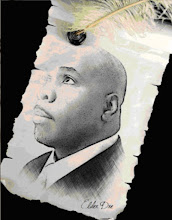
I'm just a nobody, trying to tell everybody about Somebody who can save anybody. I give all honor to the Father for the privilege of being His instrument, through whom He lives and works for His glory alone. I served in the U.S. Navy for 21 years, retiring in September 2003. In my final three years, I was co-pastor at Greater New Refuge COGIC in Fallon, Nevada, under Pastor Gregory L. Brown. I supported my pastor and church by helping with a new sanctuary's construction and caring for all ministry needs while staying true to my mandate to preach the Word of God without compromise. In November 2002, I was licensed to preach and ordained in June 2003. While stationed in Virginia Beach, I served at Pleasant Grove Baptist Church for 17 years under Bishop-Elect W.D. Scott, Sr., and now I serve at Calvary Revival Church in Norfolk, VA, under Bishop B. Courtney McBath. I also earned a Bachelor’s Degree in Religion from Saint Leo University, deepening my foundation and commitment to this path of faith.

MY THEOLOGICAL TRAINING:

It brings to my face a unadulterated smile each and every occasion I am asked, “Elder Dre, What Theological Training do you have?”

My heart beams with joy at the opportunity to humbly give full glory to God as I reflect on on how the prophets, patriarchs and apostles of old would have respond: Noah, Abraham, Isaac, Jacob, Joshua, Gideon, King David, Elijah, Elisha, Jeremiah, John the Baptist, Matthew, Mark, Peter, James, John and the other disciples, not forgetting the Saviour Himself.

How would they have answered the question: “What theological training do you have?”

The words of the prophet Amos also came to mind: “Then answered Amos, and said to Amaziah, I was no prophet, neither was I a prophet’s son; but I was an herdman, and a gatherer of sycomore fruit:” Amos 7:14

I surely am not impliedly decrying theological preparation, education or training: I consider it essential, but not as much as some think. For the fact is, the Almighty raises up believers according to His own standards.

Educational qualifications, wealth, fame, talent, social standing, outward appearance etc. are useful; but they are secondary in His sight. Qualities like faith, obedience, holiness, humility, honesty, absolute loyalty to one’s spouse, the ability to raise one’s family to fear God and keep His commandments etc.; these are the things the Most High values.

“Man looketh on the outward appearance, but the LORD looketh on the heart.”

Only on the Day of Judgment will it be known how truly educated, weighty and effective I have been. That is why I have to smile when the question arise.

The vanity of the question is only matched by the foolishness of my answer.

As the wise man wrote: “Vanity of vanities, saith the Preacher; all is vanity.” Ecclesiastes 1: 2 or as the apostle Paul commented in 2 Corinthians 11:16-30 when rattling off a long list of impressive qualifications “... I speak as a fool.”

Furthermore, we have seen with our own eyes and now testify that the Father sent his Son to be the Savior of the world. All who proclaim that Jesus is the Son of God have God living in them, and they live in God. 1 John 4:14-15 (NLT)

I am a preacher, but most of all, I proclaim that Jesus is the Savior with various applications of that truth in my everyday life. My dear friend, if you are a Christian, you are a preacher also. Whether you have been ordained or not, hired by a church or not, or ever been recognized as a preacher or not is beside the point. All who have God living in them are called to proclaim the Savior to the world. It is a Holy calling, and a demanding one. It will pull you out of your comfort zone, challenge your commitment, and help to develop you into the person God has created you to be.

John spoke as an eyewitness to Jesus' saving power. We speak as heart-witnesses; ones who have not seen Jesus with our eyes, but have experienced Him through personal transformation. I speak, and you speak, as a representative of Christ on earth. The message that we bring is simple, yet profound; that God the Father sent God the Son into the world to save those who are lost to bring them into relationship with Him. As you tell the story, and I tell the story, some will listen and receive the grace that God has sent us into the world to proclaim.

PRAYER THOUGHT: Father, what a privilege to be a spokesperson for You.

Thank you for stopping by. Stay encouraged and please do come back.