Read God's Word

YouVersion

Tuesday, March 25, 2025

Rising Into Purpose: Embracing the Victory Ahead

We are living in a time where truth must be spoken, even when it feels uncomfortable. We can no longer ignore where we are or what we're facing. The world is loud, but God is calling us to be louder—not just with our words, but with our lives. We've spent too much time hiding behind facades. It's time to get real.

We’ve struggled, both together and separately. We’ve felt the weight of our mistakes, the burden of our pasts, but here’s what I want us to grasp: That’s not who we are anymore. Our struggles don’t define us, and our past doesn’t have the final say. What defines us is the One who calls us His own. What defines us is His blood, His grace, His mercy. That’s who we are.

We don’t have to stay stuck. We don’t have to be defined by what’s behind us. The road ahead is still open, and God is still calling us forward. Yes, we’ve made mistakes. Yes, we’ve missed the mark. But He is faithful to forgive, to restore, and to lift us higher than we’ve ever been.

I know it feels heavy sometimes—the pressure, the temptation, the distractions of this world. But this is NOT the end for us. There’s a purpose on our lives that no devil in hell can steal. There’s a destiny that is greater than any struggle we’ve faced. But we have to make the choice to rise. We have to choose to leave behind the things that weigh us down and step into the freedom that Christ died for us to have.

It’s not about our gifts. It’s not about what we’ve accomplished. It’s about surrender. It’s about trusting God to lead us, even when the path seems unclear. We’ve tried handling things ourselves, but now, it’s time to let go and let God take the lead.

This is the moment where we take everything we've learned, everything we've been through, and use it to propel us forward. We are not stuck. We are not failures. We are victorious through Yahusha, and we are called to reflect His glory in everything we do.

So let’s hear this loud and clear: It’s time to rise. It’s time to step into the calling God has placed on our lives. It’s time to stop living beneath the standard He’s set for us. The struggle may have been real, but the victory is even more real. God is still working, and He is still faithful to finish what He started in us.

We’ve got this. Not because we’re strong enough, but because He is.

Let’s rise. Let’s walk in the purpose He has for us. It’s our time.

Eιɖεર Dરε

Wednesday, March 19, 2025

Empire, Lies, and Blood Money: The Truth Behind America's Support for Genocide

Here's the thing: America’s so-called "unshakable alliance" with Israel was never born out of genuine love for Jewish people. It’s transactional power politics — plain and simple. The U.S. has historically turned its back on Jewish refugees when it mattered most, from quotas before World War II to denying sanctuary as millions perished. So let's not fall for the propaganda that this is about shared values. It’s about strategy, imperial reach, and maintaining a geopolitical outpost in the Middle East.

The genocide we’re watching unfold in real time is not some anomaly; it's the logical extension of settler-colonialism, which America knows intimately. America funds what it understands — land theft, ethnic cleansing, narrative control. The same playbook used on Indigenous peoples here is being run on Palestinians over there. And when they push the narrative that questioning this makes you antisemitic, it’s not about protecting Jewish lives — it's about protecting power and the ability to suppress any challenge to colonial domination.

Black people in particular know this game. We’ve been the moral conscience of this country even when it tried to rip our tongues out. We've been told to vote for "the lesser of two evils" while both evils line their pockets with blood money. The moral gymnastics they perform around Palestine are no different than the ones they perform around our lives here — crocodile tears when convenient, silence when accountability is needed.

And let’s get real: these attempts to recruit Black institutions and voices into defending genocide aren't about solidarity. They're about using our hard-earned moral authority as a shield for state-sponsored violence. But some of us aren’t for sale, and more of us are waking up. Solidarity isn't transactional. It's built on shared struggle against systems that choke us all.

America's media machine knows exactly what it’s doing — marginalize, dehumanize, and control the story. But the truth is leaking through every crack. The young generation sees it, the oppressed peoples of the world see it, and no amount of PR spin will cover up that what they’re funding is colonial violence — the same violence their entire empire is built on.

At some point, the empire’s lies collapse under the weight of truth. And when that day comes, we better be on the right side of history — because history doesn't care about feelings; it cares about receipts.

Eιɖεર Dરε


Tuesday, March 18, 2025

New Faces, Same Chains: The Democratic Hustle and the Fight for Real Black Power

Family, what we’re seeing right now is exactly what we’ve warned about.

The Democrats keep trotting out so-called new blood like Jasmine Crockett and Hakeem Jeffries — not to change the game, but to run the same old con with younger faces. They’re not here to fight for you; they’re here to fight for donor dollars, media attention, and personal status. They’re playing political theater, not delivering policy.

Look at the numbers. Obama’s influence is fading — not because the people suddenly forgot him, but because they remember exactly what he didn’t do. The same way they remember what Biden hasn’t done. And yet the party’s strategy is the same: scare you with the GOP boogeyman, promise you nothing, and expect your loyalty.

They’re not listening to younger voters. They’re not listening to Black voters. They’re not listening to anyone who doesn’t cut them a check. The media props up these paper champions and tells you they’re "progress." But progress for who? Certainly not for the working class, and definitely not for Foundational Black Americans.

They’ve taken Black voters for granted for generations, and now they think all they have to do is threaten us with Trump and we’ll fall in line. That game is over. As FDR, for all his faults, at least knew: you have to deliver for Black folks or risk losing them. These Democrats don’t even pretend to engage; they just distract you with narcissistic performances on TV while your needs go ignored.

This is rearranging deck chairs on the Titanic. New faces, same plantation. If the Democratic Party refuses to change, then we have to change the way we engage with them. We’re not here to save their party. We’re here to build our power. Period.

They can play for the cameras. We’re playing for keeps. Stay focused. Stay on code. Keep your resources in your pocket unless there's a policy tied to it. And most of all: stop looking for saviors in the halls of Congress — the only salvation is in the community, in solidarity, and in holding everybody accountable.

The grassroots is where the power lives — and they fear that more than any Republican.

Eιɖεર Dરε

Friday, March 14, 2025

The Biblical Cover-Up: How Black People’s True History Was Erased and Whitewashed

Alright, let’s break this down in true fashion, straight to the point, no chaser.

1. The "Curse of Ham" Is a Scam

For centuries, white supremacists have pushed this fraudulent idea that Black people were cursed through Ham. That’s straight-up propaganda. The Bible actually says the curse was on Canaan, not Ham—meaning this whole narrative about Black folks being doomed from the jump was nothing but a psy-op to justify slavery.

2. The Bible Ain’t Pro-Slavery—That’s a Colonizer Remix

European enslavers twisted scripture to make it seem like God was co-signing slavery. But if you really look at the text, it condemns oppression and wicked enslavement. These people hijacked the Bible to justify their economic hustle—enslaving Africans.

3. Adam Was a Melanated Man

Let’s keep it a buck—Adam wasn’t out here looking like a surfer from Venice Beach. The Bible says he was formed from the soil of the earth—rich, dark, nutrient-filled soil. That means he had melanin. The whole European rebranding of biblical figures is just another case of historical theft.

4. Jesus Was a Brother

Now, let’s talk about Yahusha—real name, real history. Revelation 1:14-15 describes him with hair like wool and feet like burnished bronze. Sounds like a Black man to me! But what did Europeans do? They hit folks with that Michelangelo-painted, blue-eyed, blonde-haired imposter to keep the deception going. The real Yahusha was a brother from the East—end of story.

5. Christianity’s Roots Are in Africa, Not Europe

The first nation to officially adopt Christianity? Ethiopia. One of the first baptized believers in the New Testament? An Ethiopian eunuch. African civilizations were practicing Christianity before Rome even hopped on the bandwagon. But once the Romans got hold of it, they gentrified the faith and made it into a tool for control.

Final Word: They Hijacked Your History

The narrative about Black people being cursed, irrelevant, or secondary in the Bible was a carefully crafted lie. The truth? Black people were kings, prophets, and spiritual pioneers in biblical history. The deception wasn’t just about religion—it was about power, identity, and control. But now, we’re waking up, reclaiming our history, and setting the record straight.

That’s the real game they didn’t want you to know.

Eιɖεર Dરε

Tuesday, March 11, 2025

Let’s break this down in a real, raw, and unapologetic way

Family, let’s talk real talk for a second.

Right now, we’re watching history being rewritten in real-time, and a lot of folks are in their feelings about it. See, for centuries, the dominant society has controlled the narrative—telling our story through their lens, shaping our history to fit their comfort. But here’s the problem: That era is dead. We’re in the era of standing on business.

The confusion we see from certain groups isn’t about us—it’s about them. It’s about their deep-rooted fear that the power structure they benefited from is crumbling. They’re realizing that the same economic, political, and social systems they upheld are now backfiring. The regret you hear from them? It ain’t about justice—it’s about self-preservation. They’re not sorry for what they’ve done; they’re sorry they’re feeling the consequences.

And let’s be clear—Black people aren’t angry. We’re not “aggressive.” We’re not “violent.” What we are is strategic. What we are is focused. See, they expected us to act out, to be emotional, to fall into the same traps they’ve laid for us over generations. But we’re not playing checkers—we’re playing chess. That’s why silence is one of the most powerful weapons we’ve got right now. While they panic, while they look for scapegoats, we’re moving with precision, rewriting history not with words—but with action.

They wanna mimic us, copy our culture, take from us without giving credit. But here’s the kicker: No matter how much they steal, they can’t replicate the essence of who we are. You can take the sauce, but you’ll never be the chef. And now, they’re watching in real time as Foundational Black Americans step into our own power—economically, politically, culturally—and they can’t stand it.

That’s why the gaslighting is at an all-time high. That’s why they try to flip the script, claiming we’re the problem while their own decisions are sinking their ship. But we don’t need their validation. We don’t need their sympathy. What we do need is to keep applying pressure, keep building, keep circulating our dollars, keep educating our people, and keep standing on business.

This moment is about legacy. It’s about correcting the lies. It’s about showing the world that we’ve always been the foundation—and now, we’re reclaiming everything that’s ours. So stay focused, stay strategic, and most importantly, stay on code.

Because history isn’t just being rewritten—we’re the ones writing it.

Eιɖεર Dરε

#B1 #StandOnBusiness #NewBlackHistory


Saturday, March 08, 2025

Affirmative Action: The Bait-and-Switch That Left Foundational Black Americans Behind

Affirmative action, much like DEI, was sold as a policy to uplift Black Americans, but when you dig into the numbers, white women ended up being the biggest beneficiaries. It was never truly about correcting the injustices done to Foundational Black Americans—it was a way to maintain the status quo while giving the appearance of progress.

Instead of direct economic empowerment, land, or reparations, they gave us symbolic policies that could be easily manipulated. Affirmative action didn’t guarantee Black economic power; it just gave corporations and universities a loophole to boost their diversity numbers—often by bringing in immigrants, white women, or other non-Black groups while still keeping FBAs locked out of real wealth-building opportunities.

The lesson? We can’t fall for the symbolic hustle. The real fight is for economic justice, land ownership, and direct resources for the people who actually built this country.

Eιɖεર Dરε


DEI: The Illusion of Inclusion and the Hustle Against Foundational Black Americans

The game they play with DEI is the classic bait-and-switch. They market it like it’s about leveling the playing field for Black folks, but when you check the stats, white women end up eating the biggest piece of the pie. Meanwhile, Black people—the group that actually built this country—are still getting the crumbs.

This ain't accidental. DEI is not a reparations program. It’s a corporate hustle designed to pacify the masses while reinforcing the status quo. They’ll put up a Black face on the brochure, but when the promotions, contracts, and scholarships get handed out—who’s actually benefiting? The same dominant society that’s always run the show.

And let’s be clear: when they say "diversity," they don’t mean Black first. They mean everybody except Black people, particularly FBAs who built this nation from the ground up. That’s why DEI never comes with an economic base for us. It’s all symbolic, no substance—because true equity would mean cutting a check (Reparations), and they’re never trying to do that.

So, the real conversation ain't about "inclusion"—it’s about power. And until we start framing the discussion around real economic empowerment for Foundational Black Americans, we’re just playing along with another corporate con game.

Eιɖεર Dરε


Saturday, February 22, 2025

Dismantling Justice: The Hidden Agenda Behind Striking Down the Voting Rights Act

The Voting Rights Act was struck down under the argument that it had become obsolete. But never before in human history has a law been eliminated for being too effective. We don’t get rid of drunk driving laws because DUI rates drop to zero, nor do we abolish murder laws when homicide rates decline. The only people who want to eliminate laws against murder are those who intend to commit murder. The only people eager to scrap drunk driving laws are those who plan to drive drunk.

The only people pushing to dismantle anti-discrimination laws are those who still want the freedom to discriminate without consequence. It’s about power—the ability to control outcomes and handpick winners. If too much progress is allowed, that power slips away, and those in charge lose control.

When the Court made its decision, neither Scalia nor his allies explained where the Court got the authority—or the justification—to make such a ruling. But this was exactly what the Federalist Society had been working toward since its inception.

Eιɖεર Dરε

Friday, February 21, 2025

The Malcolm X Revolution Continues

Brothers and sisters, beloved family, listen closely...

On this day, sixty years ago, our shining Black prince, El-Hajj Malik El-Shabazz—known to the world as Malcolm X—was martyred on the battlefield in Harlem’s Audubon Ballroom. They didn't just assassinate a man; they tried to extinguish a movement, a spirit, a revolutionary fire that was too powerful to be contained.

The enemy—yes, the enemy!—feared the truth that Malcolm spoke. A truth so raw, so unfiltered, so unapologetic, that it shook the very foundation of white supremacy. He didn’t come to beg for freedom; he came to demand it. Not tomorrow. Not through legislation. But by any means necessary!

Malcolm was a warrior—a General—for Black liberation. He stood tall, shoulders broad, with the courage to call out not only the open oppressors but also those who betrayed us from within. Oh yes, family!—he was clear about the house Negro and the field Negro. He made us look in the mirror and see our condition, not with comfort but with the urgency of revolution.

They feared his evolution. From Malcolm Little to Detroit Red, to Minister Malcolm X, and finally to El-Hajj Malik El-Shabazz—a man who transcended the narrow confines of any one ideology. They couldn't handle a Black man who could unite us beyond borders, beyond religions, into one global struggle against oppression.

But let me tell you something they didn’t understand—you can kill the revolutionary, but you can’t kill the revolution!

Sixty years later, his words still cut through the lies. His legacy still walks with us, whispers in our ears, and roars in our hearts. We owe him not tears, not empty words, but action. Real action.

So I ask you today, family—are you ready?

Are you ready to stand where Malcolm stood?

To speak truth to power, no matter the cost?

To love your people enough to fight for their liberation?

Because as Brother Malcolm taught us, the future belongs to those who prepare for it today.

Áṣẹ. Long live Malcolm X. Long live the spirit of Black liberation!

Eιɖεર Dરε


Wednesday, February 19, 2025

You Can Kill a Revolutionary, But You Can’t Kill the Revolution: The Enduring Legacy of Fred Hampton

My brothers and sisters, let us not be deceived—Fred Hampton was not just killed; he was assassinated by a government that feared his power to unite the oppressed. At just 21 years old, this young warrior stood at the forefront of a revolution that threatened to shake the very foundations of white supremacy and systemic oppression. He did not wield his power with violence but with unity, with truth, with love for the people. And for that, they silenced him in the dead of night.

Let’s be clear: this was not law enforcement. This was an execution. This was the cold, calculated work of a system that has always sought to destroy Black liberation, to keep us divided, to keep us in chains—whether those chains are physical, economic, or psychological. They feared Fred Hampton because he did what too many leaders before and after him failed to do—he built bridges between the oppressed. He reached out to poor whites, Latinos, Indigenous people, and Black folk alike, forging a Rainbow Coalition that dared to defy the system’s greatest weapon: division.

J. Edgar Hoover and his FBI called the Black Panthers the greatest threat to national security. But what was their crime? Feeding hungry children? Providing free healthcare? Teaching self-defense and self-respect? The real threat was that they were waking us up! They were proving that we do not need to beg for justice—we must demand it, organize for it, and fight for it with unwavering conviction.

But understand this, family: though they killed the man, they could not kill the movement. The same spirit that burned in Fred Hampton must burn within us today! We cannot merely mourn his death; we must continue his work! We must educate our children on the truth, we must build economic and political power, we must reject the lies they tell us to keep us docile.

Fred Hampton’s last words before he was executed were, “You can kill a revolutionary, but you can’t kill the revolution.” And so, I ask you today—will you let the revolution die? Or will you carry it forward, with courage, with wisdom, and with the unshakable belief that power belongs to the people?

Let us rise. Let us move. Let us organize. Because the fight is far from over.

Eιɖεર Dરε

Monday, February 17, 2025

Black Excellence and Resistance

The outrage that erupts when Black people celebrate themselves is not just about the moment—it’s about the history, the power, and the fear that underlies it. For centuries, Black people have been positioned in this society as laborers, entertainers, and commodities—objects to be used but never subjects to be honored. The resistance to our joy, our success, and our cultural affirmation stems from a system that was never designed to see us as anything more than tools for someone else's gain.

Take Kendrick Lamar’s Super Bowl performance. In front of millions, he declared with unwavering confidence, "We gon’ be alright." It wasn’t just a song. It was a declaration of survival, a message to those who have tried to break us, a moment that said we refuse to be erased. And yet, that performance, like so many other expressions of Black pride, was met with backlash. Why? Because it challenged the narrative that America is comfortable with—a narrative where Black people only exist in service of white comfort, either through submission or silence.

The discomfort of those who oppose our celebration is not about patriotism, unity, or respectability—it’s about power. It’s about the fear that when we recognize our own greatness, we no longer need their validation. It’s about the realization that we are not dependent on their approval, that our existence is not defined by their gaze.

So let them be uncomfortable. Let them wrestle with their own insecurities. Our joy is resistance. Our celebration is defiance. Our very being is a testament to resilience. And no matter how they feel about it—we gon’ be alright.

Eιɖεર Dરε


Sunday, February 16, 2025

Love That Endures: The Foundation of Lasting Relationships

True relationships are built on love, patience, accountability, and a shared commitment to growth. While faith can be a guiding force, a lasting bond requires effort, understanding, and a willingness to navigate challenges together.

1. Love is a Choice, Not Just a Feeling

"Above all, love each other deeply, because love covers over a multitude of sins." — 1 Peter 4:8

Real love requires forgiveness and grace. No relationship is perfect, but a willingness to extend mercy and move forward strengthens the foundation.

2. The Power of Shared Vision

"Can two walk together, except they be agreed?" — Amos 3:3

A strong partnership is built on unity. Couples must align on their values and goals to sustain a healthy relationship.

3. Wisdom in Seeking Counsel

"Where there is no guidance, a people falls, but in an abundance of counselors there is safety." — Proverbs 11:14

Surrounding oneself with wise and experienced individuals provides encouragement and accountability in times of uncertainty.

4. The Importance of Character Over Appearance

"Charm is deceptive, and beauty is fleeting; but a woman who fears the Lord is to be praised." — Proverbs 31:30

Attraction may bring two people together, but character and integrity determine the strength of the relationship.

5. Enduring Through Difficult Seasons

"For everything there is a season, and a time for every purpose under heaven." — Ecclesiastes 3:1

Tough times are inevitable, but they are temporary. Commitment means standing firm through life’s ups and downs.

6. A Love That Reflects God's Grace

"Though one may be overpowered, two can defend themselves. A cord of three strands is not quickly broken." — Ecclesiastes 4:12

When God is at the center, relationships gain strength beyond human effort, creating a bond that is unshakable.

A lasting love is not just about finding the right person—it’s about being the right partner, making the right choices, and trusting God to guide the journey.

Eιɖεર Dરε

Sunday, February 09, 2025

The Deal with the Devil: The Forgotten Pact That Shaped Israel

So, let me get this straight—Hitler, the guy synonymous with evil, somehow became an economic supporter of Israel before Israel even existed? That’s like finding out Darth Vader was secretly funding the Rebel Alliance.

This "Transfer Agreement" sounds like one of those historical moments that everybody conveniently forgets at the family reunion. You ever bring up something uncomfortable, and suddenly folks just start stirring their sweet tea real hard? Yeah, that’s what this is.

On one hand, you got Jewish leaders making the toughest decision ever—do we take the deal and help our people escape, or do we stand on principle and risk it all? And on the other hand, you got people today who act like history is this neat little package with good guys and bad guys, but nah—it’s just messy people making messy decisions trying to survive.

Now, imagine trying to tell this story in a history class today. You’d have students looking at you like, “Wait, so the Nazis kinda-sorta helped create Israel?” and the teacher just sweating like Jordan Peele in Get Out.

And that’s the thing—history ain’t a Marvel movie. There’s no clear-cut hero or villain 100% of the time. The past is full of people making deals they thought were necessary, only for the next generation to be like, “Bruh… what??”

But at the end of the day, confronting these uncomfortable truths is the only way we stop history from just being a remix of the same old song. Because if we don’t, 40 years from now, somebody’s gonna find another lost news report that flips everything upside down, and we’ll be right back here—stirring our tea, trying to act like we didn’t know.

Eιɖεર Dરε


Monday, February 03, 2025

The Bridge

I stood at the edge of a great chasm, staring at the distance between where I was and where I wanted to be. On the other side, I saw myself—strong, steady, whole. The wind carried whispers of recovery, movement, and freedom. But between me and that future stood a long, narrow bridge.

It wasn’t made of stone or wood but of steps—each one built from patience, faith, and the smallest victories.

I took a step. Pain shot through me, a reminder of what I had lost.

I took another. Doubt crept in, whispering, What if I never make it?

I paused, gripping the railing, the weight of the journey pressing down on me.

Then, from somewhere deep inside, a voice rose up.

You’ve already come this far.

I turned and saw them—my family, my friends, the prayers woven into each day. Their faith in me was a shield, pushing me forward.

So, I took another step. Then another.

Some days, the bridge felt endless. Some days, I stumbled. But with each step, I built something stronger than before—not just muscle, not just movement, but an unshakable truth:

I am still here. Still rising. Still walking.

And one day, when I reach the other side, I’ll turn back and see the bridge I built—not from stone, not from wood, but from the unstoppable power of perseverance.

This is my journey, and every step I take is a testament to my strength. I will keep moving forward because I am already building my bridge.

Eιɖεર Dરε


Saturday, February 01, 2025

CNN’s Documentary or Defamation? The Kobe Bryant Smear

What we’re seeing here is nothing new—just another example of the white media’s long-standing practice of using Black men as their go-to punching bags, especially when they can no longer defend themselves. The pattern is predictable: build them up while they’re making money for the system, then tear them down the moment they’re no longer profitable or, in Kobe’s case, after they’ve passed on and can’t clap back. This is the same playbook they ran on Michael Jackson, Muhammad Ali before he was sanitized, and even Dr. King.

CNN isn’t interested in justice, truth, or even journalism. If they were, they’d be asking questions about the people in their own circles—executives, politicians, and media moguls—who have been caught up in real scandals with actual convictions, not an accusation that was dismissed two decades ago. But the rules are different when the target is a Black man. The goal is never to inform but to reinforce the idea that no matter how successful or admired a Black man becomes, he must always be remembered through the lens of criminality, suspicion, and controversy.

And where’s the so-called “Black elite” in all of this? Silent, as usual. Too many of them are too busy trying to stay in good graces with the very media machine that would chew them up and spit them out the moment they step out of line. This is what happens when you allow yourself to be controlled from the time you enter the system—when your agents, your coaches, your managers all serve the same interests that are fundamentally opposed to you. The moment these athletes become too successful or too powerful on their own terms, the white media reminds them who really calls the shots.

This isn’t about Kobe. It’s about the message they want to send to every Black man watching: No matter how high you rise, we can drag you back down whenever we choose. And unless we build our own institutions, our own media, and stand up for our own, this cycle will continue. The question is, how long are we going to let them get away with it?

Eιɖεર Dરε

Monday, January 27, 2025

Justice, Accountability, and the Peril of Pandering to Rebellion

As we examine the deepening divide within the nation’s political and moral fabric, Donald Trump’s decision to pardon individuals involved in the January 6 Capitol riot stands as a profound affront to the principles of justice, accountability, and the rule of law.

The actions of January 6 were not merely political missteps; they were an assault on democracy itself, carried out by individuals who sought to undermine the constitutional order. Pardoning such behavior sends a dangerous message that lawlessness, when politically convenient, is tolerable. Scripture reminds us in Proverbs 17:15, "Acquitting the guilty and condemning the innocent—Yah despises them both." In this moment, it is clear that the pardons reflect neither righteousness nor justice but political expediency at its worst.

Judge Beryl Howell’s refusal to dismiss charges against admitted offenders is a bold and righteous stand. Her words remind us that we cannot rewrite the narrative to absolve guilt or dismiss the pain inflicted on this nation. Justice demands accountability, and accountability is not partisan—it is foundational to any moral society.

Even within Trump’s own party, voices are rising in dissent. Law enforcement, conservative thought leaders, and political allies alike are struggling to justify these pardons, highlighting the deep betrayal felt by those who stand on the side of law and order. To pardon those who stormed the Capitol, desecrating the seat of government, is to condone rebellion and chaos. It undermines the sacrifices of those who have fought and died to uphold this nation’s ideals.

As believers, we must examine the heart of such decisions and hold fast to the principles of truth, equity, and justice. The Most High calls us to walk in integrity, even when it is difficult. Micah 6:8 compels us to “act justly, love mercy, and walk humbly with your Elohim.” To act justly means to reject actions that erode the trust of the people and the foundations of governance.

Trump’s decision has not only alienated many within his party but also further fractured the unity needed to move this nation forward. It is a political and moral debacle, one that will have consequences far beyond the immediate fallout. For those who seek to follow Yah’s ways, this moment is a clarion call to stand firm in truth and resist the allure of pandering to rebellion or political expediency.

Let us continue to pray for this nation, its leaders, and its people. May we rise above partisanship and personal ambition to restore justice, uphold the rule of law, and heal the deep wounds inflicted on our democracy. For only when we do these things can we truly be one nation under Yah, indivisible, with liberty and justice for all.

Eιɖεર Dરε

Thursday, January 16, 2025

Is the Black American Chosen or Cursed.

The question of whether Black Americans are chosen or cursed is deeply rooted in the historical, cultural, and spiritual journey of a unique group of people. To unpack this, it’s important to examine the distinct experiences of Black Americans compared to other groups of African descent, including Africans from the continent.

The Historical Context

Black Americans, particularly descendants of enslaved Africans in the United States, carry a history unlike any other. The transatlantic slave trade stripped them of their language, culture, and direct ties to their homeland, creating a new, distinct identity forged in the crucible of oppression and survival. Unlike many African immigrants who maintain ties to their ancestral nations and cultures, Black Americans have had to build their identity from the ground up in a hostile environment.

Treatment of Black Americans vs. Africans

In many Western societies, Black Americans are treated as a perpetual underclass. They’ve faced systemic racism, economic exclusion, and cultural erasure for centuries. In contrast, African immigrants are often perceived differently—sometimes viewed as "model minorities" in ways that create a false narrative of contrast. Africans may not carry the same historical baggage of slavery in America, and this can lead to different treatment by white society.

This disparity isn’t accidental. It’s a strategy to keep Black Americans—the descendants of those who built the nation—disenfranchised. By elevating other groups, including African immigrants, a divide is created that disrupts unity among the global African diaspora.

Misunderstandings Among Some Africans

Some Africans, particularly those unfamiliar with the history of Black Americans, may not fully grasp the depth of systemic racism in the U.S. or the unique struggles of Black Americans. They may wonder why Black Americans haven't "just moved on" or why they don’t take advantage of opportunities in the same way immigrants do. This lack of understanding can lead to tension and a sense of alienation between the two groups.

What’s often overlooked is that Black Americans aren’t simply dealing with individual racism—they’re up against a multi-generational system designed to limit their progress at every level. African immigrants, though they face racism, may not experience the same deeply embedded, intergenerational barriers because their entry into the system is different.

Chosen, Not Cursed

The narrative of being "cursed" has long been used to undermine Black Americans' sense of self-worth. However, the contributions of Black Americans to global culture, science, and social progress demonstrate otherwise. From spirituals and jazz to hip-hop and activism, Black Americans have created, innovated, and led in ways that have shaped the modern world. This resilience and brilliance in the face of adversity point to a people who are chosen—not by fate, but by their own determination and strength.

Unity is the Key

It’s essential to bridge the gap between Black Americans and Africans by fostering mutual understanding and solidarity. Black Americans have shown the world how to resist oppression and demand justice, and this legacy can inspire unity among the African diaspora. Africans, in turn, bring unique cultural and historical perspectives that can enrich the collective struggle for liberation and empowerment.

The real question is not whether Black Americans are chosen or cursed—it’s whether they, along with their African brothers and sisters, will recognize the power in their shared history and work together to dismantle the systems that oppress them. When the diaspora unites, the strength of that connection is undeniable.

Eιɖεર Dરε

Sunday, December 29, 2024

The Foundation of Hip Hop: A Foundational Black American Legacy

Let’s set the record straight: Hip hop is the creation of Black Americans. The culture, the music, the energy—it all stems from the brilliance, resilience, and creativity of foundational Black Americans. There’s been a persistent attempt to rewrite this history, to water down its roots, and to diminish the role of the very people who birthed it. But we’re here to make sure the truth is undeniable.

Hip hop didn’t just emerge—it was forged in the fiery spirit of rebellion, resilience, and pride. The late 1960s and early 1970s were a volatile time for Black America. The assassinations of Malcolm X and Martin Luther King Jr., and the subsequent uprisings, created a cultural crucible. In these moments of chaos, Black Americans found ways to express their pain, pride, and power.

James Brown, the Godfather of Soul, was more than a musician—he was a movement. When cities erupted after Dr. King’s assassination, it was Brown’s concert that helped keep Boston calm, showcasing the profound impact of Black artistry on our communities. His unapologetic celebration of Blackness and empowerment laid the groundwork for what would become hip hop.

As the 1970s unfolded, Black Americans were dominating culture in every way. In music, we had chart-toppers like "Love Train" and countless R&B and rock-and-roll hits. In television, shows like Sanford and Son, Good Times, and The Jeffersons gave us representation on screen. In film, legends like Pam Grier and Richard Roundtree were showing the world the strength, beauty, and complexity of Black life.

And in the streets of the Bronx, the next cultural revolution was taking shape. Inspired by the rhythms of James Brown, the energy of the block party, and the poetry of struggle, hip hop emerged. DJ Kool Herc, Grandmaster Flash, and others began to channel the voice of the people into a new art form—one that combined music, dance, and storytelling into a powerful cultural force.

Let’s be clear: hip hop is not a “multicultural” creation. It is a Black American innovation. It’s born from the blood, sweat, and soul of our people. The narratives, the struggles, and the triumphs that shaped its foundation are ours.

From breakdancing to graffiti, from the DJ to the MC, hip hop is a living testament to Black excellence. It’s not just music—it’s a way of life, a movement, a legacy. And it’s a legacy that continues to shape the world, unapologetically rooted in the Black American experience.

We must protect and honor this history, not just for ourselves but for future generations. The world owes its gratitude to Black America for giving it one of the most influential cultural forces in modern history.

Let this post serve as a reminder: we are the culture. We are the blueprint. And we will never let our contributions be erased.

Share this. Teach this. Celebrate this. The truth will always shine through.

Eιɖεર Dરε


Saturday, December 28, 2024

Uncompromised Identity: How James Patterson Preserved the Legacy of Alex Cross

James Patterson's steadfast refusal to whitewash his iconic character, Alex Cross, is a powerful testament to integrity and the importance of cultural representation in storytelling. When Hollywood presented Patterson with a lucrative opportunity to rewrite Cross—a Black detective—as a white man, he decisively rejected the idea. This refusal wasn’t just a matter of principle; it was a stand for authenticity and a commitment to honoring the identity that has defined the character since his debut in 1993.

Alex Cross is more than a fictional detective. His identity as a Black man is central to his narrative, providing a lens through which readers can explore systemic injustices, cultural resilience, and the complexities of navigating a world that often underestimates or undervalues Black lives. To strip Cross of his Blackness would have been to strip him of his soul, reducing a deeply layered character into a hollow archetype designed to cater to outdated industry norms.

The legacy of Alex Cross is further elevated by the actors who have brought him to life on screen. Morgan Freeman, with his unmatched gravitas, first embodied Cross in Kiss the Girls (1997) and Along Came a Spider (2001), delivering a performance that established the character as a cerebral, compassionate force. Tyler Perry later took up the mantle in Alex Cross (2012), offering a fresh interpretation that highlighted the character’s humanity and tenacity. Most recently, Aldis Hodge has breathed new life into Cross in the Amazon Prime series, presenting a nuanced portrayal that resonates with modern audiences while staying true to Patterson’s vision.

These portrayals demonstrate the enduring relevance and power of Alex Cross as a Black protagonist. Each actor brought their unique perspective, showcasing the many facets of a character who is not defined solely by his profession but also by his identity, his struggles, and his triumphs. Their contributions are not just performances—they are a continuation of Patterson’s commitment to authenticity and representation.

Patterson’s decision to preserve Cross’s identity speaks to the larger cultural movement demanding stories that reflect the diversity of human experiences. Representation in media is not a mere aesthetic choice; it is a necessary step toward equity and understanding. By refusing to compromise, Patterson upheld the legacy of Alex Cross as a symbol of resistance to erasure and a celebration of the richness of Black narratives.

This is about more than one character. It’s about challenging an industry that has too often marginalized or diluted Black voices. James Patterson’s choice was not just an act of creative fidelity; it was a declaration that stories rooted in truth and identity are not for sale. In doing so, he has ensured that Alex Cross remains a beacon of representation and authenticity for generations to come.

Eιɖεર Dરε


Friday, December 27, 2024

THE SIX TRIPLE EIGHT

Tyler Perry’s The 6 Triple 8 was supposed to be a tribute to the incredible legacy of Black women who held it down during World War II, but instead, it feels like a missed opportunity to truly honor their story with the depth and respect it deserves.

First off, the premise is powerful—an all-Black female battalion sorting out millions of pieces of mail to keep morale high for soldiers? That’s real history right there, and it’s a story that’s been swept under the rug for far too long. But here’s the issue: when you take a narrative this important and dress it up with weak dialogue, predictable tropes, and a Lifetime-movie aesthetic, it feels like you’re playing with the culture.

The execution? Let’s just say Perry is stepping way out of his lane here. We’re talking about a filmmaker who built his empire on over-the-top comedy and melodrama, trying to pivot into historical drama without putting in the work to elevate his craft. The result is a film that looks and feels cheap—artificial backdrops, uninspired cinematography, and performances that don’t quite hit the mark (with the exception of Kerry Washington, who seems to be carrying this thing on her back).

Now, let’s talk about tone. Mixing light-hearted moments with a story this heavy? Nah, that’s not it. You can’t be out here trying to balance humor with the seriousness of war and systemic racism without a masterful touch, and Perry just doesn’t have it. The film ends up feeling uneven, like it doesn’t know what it wants to be. Are we laughing? Crying? Reflecting? Who knows!

The script is another weak spot. It’s formulaic, and the characters are resolving conflicts in ways that feel way too easy. These women were brilliant, resilient, and resourceful, yet the film doesn’t seem to know how to convey that authentically. Instead, we get cliché-ridden storytelling that undermines their accomplishments.

And don’t get me started on the production quality. When you’re telling a story about Black excellence, you can’t come through with visuals that look like they belong on a basic cable drama. That’s a disservice to the narrative and the audience. Even the use of real historical footage at the end, while touching, feels like a reminder of what the film could have been if handled with more care.

Here’s the bottom line: The 6 Triple 8 had all the ingredients to be a game-changer, a film that not only educated but inspired. Instead, it feels like another example of how our stories can be mishandled when they’re not given the respect, budget, and talent they deserve. Tyler Perry has the platform to amplify Black history, but if you’re going to tell our stories, you need to bring your A-game—and this? This wasn’t it.

Let’s hope the next filmmaker who tackles this incredible chapter of history does it justice, because these women and their legacy deserve nothing less than excellence.

Eιɖεર Dરε

About Me

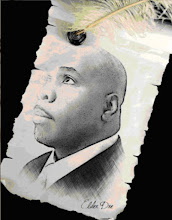
My photo
I'm just a nobody, trying to tell everybody about Somebody who can save anybody. I give all honor to the Father for the privilege of being His instrument, through whom He lives and works for His glory alone. I served in the U.S. Navy for 21 years, retiring in September 2003. In my final three years, I was co-pastor at Greater New Refuge COGIC in Fallon, Nevada, under Pastor Gregory L. Brown. I supported my pastor and church by helping with a new sanctuary's construction and caring for all ministry needs while staying true to my mandate to preach the Word of God without compromise. In November 2002, I was licensed to preach and ordained in June 2003. While stationed in Virginia Beach, I served at Pleasant Grove Baptist Church for 17 years under Bishop-Elect W.D. Scott, Sr., and now I serve at Calvary Revival Church in Norfolk, VA, under Bishop B. Courtney McBath. I also earned a Bachelor’s Degree in Religion from Saint Leo University, deepening my foundation and commitment to this path of faith.

MY THEOLOGICAL TRAINING:

It brings to my face a unadulterated smile each and every occasion I am asked, “Elder Dre, What Theological Training do you have?”

My heart beams with joy at the opportunity to humbly give full glory to God as I reflect on on how the prophets, patriarchs and apostles of old would have respond: Noah, Abraham, Isaac, Jacob, Joshua, Gideon, King David, Elijah, Elisha, Jeremiah, John the Baptist, Matthew, Mark, Peter, James, John and the other disciples, not forgetting the Saviour Himself.

How would they have answered the question: “What theological training do you have?”

The words of the prophet Amos also came to mind: “Then answered Amos, and said to Amaziah, I was no prophet, neither was I a prophet’s son; but I was an herdman, and a gatherer of sycomore fruit:” Amos 7:14

I surely am not impliedly decrying theological preparation, education or training: I consider it essential, but not as much as some think. For the fact is, the Almighty raises up believers according to His own standards.

Educational qualifications, wealth, fame, talent, social standing, outward appearance etc. are useful; but they are secondary in His sight. Qualities like faith, obedience, holiness, humility, honesty, absolute loyalty to one’s spouse, the ability to raise one’s family to fear God and keep His commandments etc.; these are the things the Most High values.

“Man looketh on the outward appearance, but the LORD looketh on the heart.”

Only on the Day of Judgment will it be known how truly educated, weighty and effective I have been. That is why I have to smile when the question arise.

The vanity of the question is only matched by the foolishness of my answer.

As the wise man wrote: “Vanity of vanities, saith the Preacher; all is vanity.” Ecclesiastes 1: 2 or as the apostle Paul commented in 2 Corinthians 11:16-30 when rattling off a long list of impressive qualifications “... I speak as a fool.”

Furthermore, we have seen with our own eyes and now testify that the Father sent his Son to be the Savior of the world. All who proclaim that Jesus is the Son of God have God living in them, and they live in God. 1 John 4:14-15 (NLT)

I am a preacher, but most of all, I proclaim that Jesus is the Savior with various applications of that truth in my everyday life. My dear friend, if you are a Christian, you are a preacher also. Whether you have been ordained or not, hired by a church or not, or ever been recognized as a preacher or not is beside the point. All who have God living in them are called to proclaim the Savior to the world. It is a Holy calling, and a demanding one. It will pull you out of your comfort zone, challenge your commitment, and help to develop you into the person God has created you to be.

John spoke as an eyewitness to Jesus' saving power. We speak as heart-witnesses; ones who have not seen Jesus with our eyes, but have experienced Him through personal transformation. I speak, and you speak, as a representative of Christ on earth. The message that we bring is simple, yet profound; that God the Father sent God the Son into the world to save those who are lost to bring them into relationship with Him. As you tell the story, and I tell the story, some will listen and receive the grace that God has sent us into the world to proclaim.

PRAYER THOUGHT: Father, what a privilege to be a spokesperson for You.

Thank you for stopping by. Stay encouraged and please do come back.